
Swisspeaks
Puppy Information
All the information you need to welcome a Swisspeaks Bernese puppy into your home.
Welcome to the Swisspeaks Bernese Family
If this is your first Bernese Mountain Dog, you are about to experience a truly wonderful journey. That adorable little ball of fluff will soon become an important member of your family and mature into a stunning and loyal companion.
You can expect to be approached frequently during walks by passersby, drawn by the breed’s distinctive appearance and friendly expression.
Gone are the days of maintaining a hair-free home and keeping clothing free of pet hair may require additional effort. However, the companionship and joyful personality of a Bernese Mountain Dog will more than compensate for these minor inconveniences. Bernese want nothing more than to love and please you.
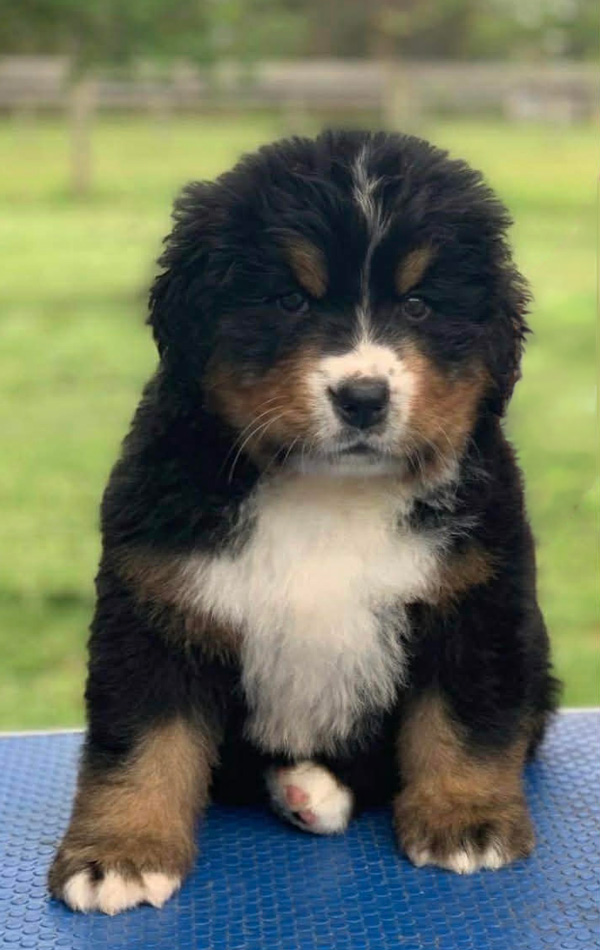
Our primary responsibility as breeders is the well-being of our puppies. Every one of our puppies is the result of careful and selective breeding of quality and health-tested bloodlines. Our puppies are born into our hands and take their first breath before our eyes. As such, we are committed to entrusting our puppies to the care of like-minded individuals and supporting their forever families throughout their puppy's life and beyond.
We are looking for those who understand or have a willingness to learn the needs of a Bernese Mountain Dogs.
Bringing a Bernese into your family is a lifetime commitment. This breed is NOT for everyone. Keep in mind that this breed can be active and will leave you, your house, garden and car covered in fur. Without training and dedication, a Bernese will quickly turn your yard into a moonscape, trash your house, howl, chew everything in sight, will challenge you on every level and will only be a cute bundle of fur of a very short time.
Our enquiry form has been compiled to help us place our puppies with the right families. Completing the form will provide us with basic but necessary information to support our decision to sell a puppy to applicants we consider. As registered breeders with Dogs Victoria, we are also required to obtain this information from prospective puppy buyers in accordance with the Victorian Canine Association Code of Conduct.
Puppy Care Guide
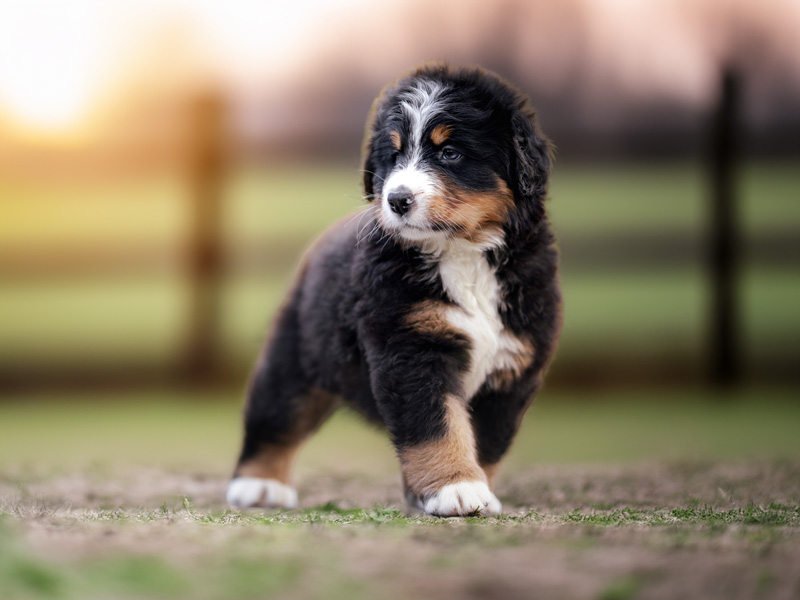
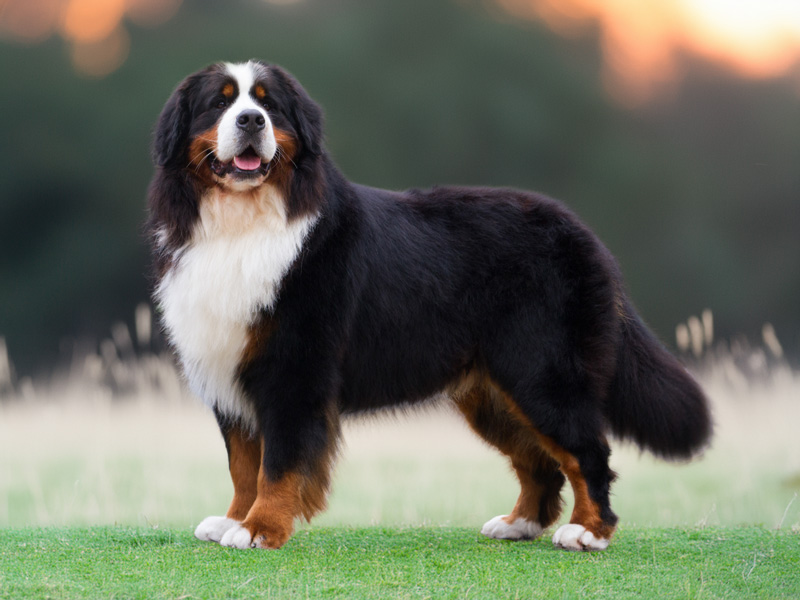
Our Puppy Care Guide is designed to help you create the best home environment for your new Bernese Mountain Dog puppy. It's full of useful information on diet, training, exercise, and how to ensure your Bernese grows into a happy, healthy, well-adjusted dog and loved family member.
Puppy's First Night
You have recently brought your new puppy home, and your baby will likely be eager to explore the new environment. It is important to organise a safe, secure space that includes a cosy sleeping area for your puppy. It is recommended not to allow your puppy unrestricted access to the entire house, as they may not yet be house-trained. Instead, it is best to confine them to an area where they can be supervised.
Your puppy will not want to be alone, as they have had their mum and littermates for company.
Establishing a consistent bedtime routine from the outset is essential. We highly recommend using a crate or pen at bedtime. Your puppy has been raised in a puppy pen, which helps create a cosy, secure environment.
This setup not only provides a comfortable space but also prevents your puppy from accessing items they shouldn't and helps minimise mess, especially since they aren't toilet trained yet
Apart from briefly taking your puppy outside for toileting, we advise against engaging in play at night, even if the puppy is crying. Responding to crying can reinforce First Night attention and being let out of the cage. Night-time toilet breaks should be brief and conducted quietly outdoors, after which the puppy should be returned inside to sleep.
The sooner your puppy learns they will be left alone overnight, the sooner you can enjoy a full night's sleep. Bernese puppies are SMART and can be quite persuasive, so please stay STRONG.
Diet
Bernese Mountain Dogs are a large breed. Your puppy is currently on Royal Canin Maxi dry food, with approximately three-quarters of a cup in the morning and at dinner. For lunch, we offer a small amount of food mixed with natural yoghurt or kefir to support good digestive health.
As your puppy matures, you may introduce raw chicken carcasses, chicken wings, and chicken necks, which are excellent natural dental cleaners and a nutritious source of protein.
Please ensure bones are always raw, as cooked bones can splinter and pose a health risk. Always supervise your puppy when giving bones to prevent choking, and choose bones that are too large to swallow whole but small enough to chew comfortably.
Raw whole carrots are a safe, nutritious, low-calorie, and cost-effective snack for puppies. They also serve as effective, gentle chew toys during teething, especially when frozen, and can support dental health. However, supervision is essential when offering raw carrots to puppies, as large, whole pieces may pose a choking risk.
In addition, offering sardines once or twice a week in spring water can be a beneficial source of Omega-3 fatty acids, promoting a shiny coat. Please avoid sardines in oil or brine because of their high salt content. Introduce sardines gradually to minimise the risk of gastrointestinal upset.
Once your puppy has settled into your home, you may consider changing their diet. Swisspeaks currently feeds Royal Canin to all their dogs. When transitioning to a new food brand, please do so gradually over a 4-day period to minimise the risk of gastrointestinal upset. For example, on Day 1, feed ¾ Royal Canin and ¼ of the new brand; on Day 2, feed ½ Royal Canin and ½ of the new brand; on Day 3, feed ¾ of the new brand and ¼ Royal Canin.
For those opting for a full raw diet, it is important to conduct thorough research, as an improper balance can lead to nutritional deficiencies. It is very easy to create an unbalanced meal.
Upset Tummy
Providing puppies with a diet of chicken, pumpkin, and rice can be an effective, gentle, and easily digestible option for managing short-term issues such as diarrhoea, vomiting, or gastrointestinal sensitivity.
Use boiled, skinless chicken breast, cooked white rice, and pumpkin to help soothe the digestive tract.
It is important to note that this diet should be temporary only, as it does not provide the essential nutrients required for the long-term growth and development of puppies.
Ingredients: Plain, boiled, skinless chicken breast; boiled white rice; and pureed pumpkin.
Proportions: A common recommendation is about 1/2 to 1 cup of boiled rice mixed with 1/2 cup of boiled, shredded chicken and a tablespoon or two of pumpkin.
Preparation: Boil the chicken and rice in water without added seasoning or oil. Mix the ingredients thoroughly, then allow the mixture to cool before offering it to the puppy.
Feeding Schedule: Offer small, frequent meals rather than one large meal to support better digestion.
Duration: Implement this diet for 1-2 days to help resolve mild stomach upset, then gradually reintroduce their regular puppy food.
Toxic Foods
Dogs should not be given many common human foods, as some items can be highly dangerous.
Highly Toxic & Potentially Fatal
- Chocolate: Contains methylxanthines, toxic to dogs; darker chocolate is more dangerous.
- Xylitol: Found in sugar-free gum, candy, and toothpaste; causes rapid insulin release, leading to hypoglycemia (low blood sugar) and liver failure.
- Grapes & Raisins: Can cause acute kidney failure.
- Onions, Garlic, Chives, Leeks: Damage red blood cells, causing anemia.
- Alcohol: Causes intoxication and can be fatal.
- Caffeine: Found in coffee, tea, soda; affects the heart and nervous system.
- Macadamia Nuts: Can cause weakness, paralysis, and vomiting.
Other Harmful Foods & Items
- Cooked Bones: Can splinter, causing choking or internal damage.
- Avocado: Contains persin, which can cause stomach upset.
- Yeast Dough: Can expand in the stomach and produce alcohol.
- Fatty Foods & Trimmings: Can lead to pancreatitis.
- Salty Foods: Can cause excessive thirst and sodium ion poisoning.
- Dairy Products: Many dogs are lactose intolerant, leading to digestive issues.
- Corn on the Cob: The cob itself can cause choking or intestinal blockage.
- Stone Fruits (Pits): Apple, cherry, plum pits can be choking hazards and contain cyanide.
Weight
Bernese Mountain Dogs are a large breed.
Males' typical height range is 25-28 inches (63.5-71 cm) at the shoulder, with an average weight between 40 and 55 kg
Females' typical height range is 23 to 26 inches (58-66 cm) at the shoulder, with an average weight between 34 and 46 kg
Weight should be proportional to your dog's size; as a general guideline, you should be able to easily feel your dog's ribs with a light covering of fat. If you cannot feel the ribs.
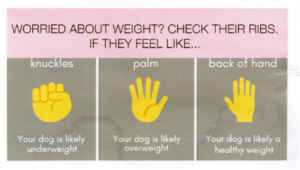
Please consider the potential health implications of your dog being overweight. While puppies with a bit of extra chubbiness are often considered cute, excess weight in adult dogs can lead to serious health issues, including diabetes, joint problems, kidney disease, and arthritis.
Crate Training
Crate training is an effective and highly successful way to create a secure and comfortable environment for your dog. This can be particularly beneficial during car journeys, visits to friends’ homes, camping trips, veterinary appointments, or recovery periods following an injury or medical procedure.
Crates are intended to provide a secure, protected space, offering a confined area where dogs can relax without disturbance and take refuge when they need a break.
The minimum crate size you should consider is 42”. This will give your puppy room to grow into the crate.
It is essential to associate the crate with positive experiences. Vary the amount of time your dog spends in the crate to help reduce issues such as whining or scratching at the door. Position the crate in a central, accessible area of the home and make it a comfortable, welcoming space. Ideally, place it away from the front door and high-traffic areas. Begin by feeding your puppy their meals inside the crate to establish it as a safe and enjoyable environment. Keep the door open initially to allow your puppy to come and go as they please, reinforcing that the crate is a positive place.
If your dog whines, it is advisable to ignore the behaviour until they are quiet, then reward their calm demeanour. A useful technique is to use a specific word, such as "bed" or "crate", when your dog enters the crate and settles calmly. Ensure you praise them verbally and offer treats to reinforce this behaviour.
Please be aware that puppies should not be left in the crate for extended periods. While the crate is a valuable tool for toilet training and preventing damage, no dog of any age should be confined for long hours while you are at work all day, and again while you are sleeping. Prolonged crate confinement can affect your dog’s muscle development and overall health. Puppies should not be left in the crate for more than a few hours at a time without opportunities for bathroom breaks.
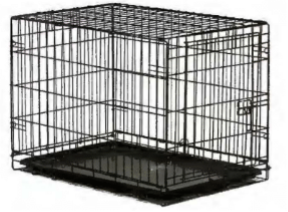
Most pet stores and larger pet supply retailers, such as Pet Network in Victoria, stock crates. For crate training, it is recommended to use wire crates with a solid, removable base that are easy to clean. These crates provide convenient access and help prevent puppies from chewing through the sides. They are also foldable for simple storage and transport.
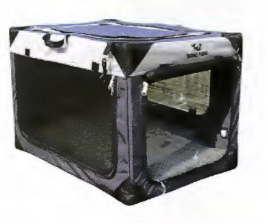
Once the puppy is crate-trained, you could try a lighter crate. However, please be mindful that dogs can easily chew or scratch through these crates.
Disposable puppy pads pose a choking risk because the crystals can expand in a puppy’s stomach if ingested, potentially causing blockages. Washable puppy pads absorb liquids effectively and are reusable after washing. It’s not advisable to give puppies a padded bed in the crate - only a towel until they grow out of their chewing/destructive phase and are trusted with a ‘big girl/boy bed’. It’s a waste of money, as they WILL destroy it.
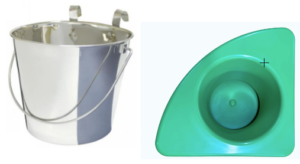
It is worth considering investing in a spill-proof or sturdy steel water bucket that can be attached to a wire crate. This can help optimise space and minimise spillage or water sitting in the bucket.
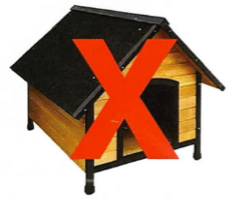
Bernese Mountain Dogs are not typically suited to kennel life. They prefer to be indoors with their family, and if they are outside in your yard, they will often stay close to the back door. Consider this when planning their accommodation. Do not waste your money on a typical dog kennel.
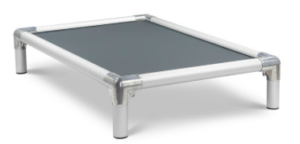
Bernese Mountain Dogs are more inclined to sleep on floors or tiles, which is entirely normal. Please do not take offence if they choose the cooler surface over their designated sleeping area. A high-quality, chew-proof bed, such as the Kuranda bed, is an excellent choice, offering durability and comfort that will stand the test of time.
Training
Toilet Training
Toilet training requires consistency and patience. It involves guiding your puppy to go on grass and using a specific word, such as "toilet" or "quick quick," to help them associate the command. This will help you encourage your dog to go on command as they grow older and while travelling.
Puppies typically need to go to the toilet after waking from sleep and shortly after eating.
Begin by taking your puppy outside onto the grass every hour and offering praise when they go to the toilet. Investing time in these early stages will be very beneficial in the long run.
Bernese Mountain Dogs tend to be eager to please; therefore, rewarding and praising them when they toilet outside is an effective way to support successful puppy training.
All training should be positive and reward-based. A firm "No" or a sharp "Ah" is sufficient to communicate disapproval when necessary.
If an accident occurs, please DO NOT scold, hit, or rub their noses in it. These methods are not conducive to training a happy, well-balanced dog. It’s important to understand that it’s not the puppy’s fault if they wee or poo inside your home. It’s your responsibility to ensure they have enough toilet breaks and opportunities to go outside to relieve themselves.
General House Rules
Training and living in partnership with your dog rely on consistency and patience, and the earlier you establish routines and boundaries, the better for both you and your puppy.
Identify your boundaries, such as staying out of the kitchen, limiting access to furniture, and discouraging jumping up for pats.
Begin setting clear rules early. It can be confusing for your puppy if rules change—such as allowing them on the couch when they are young but not as they grow older.
Bernese Mountain Dogs are eager to please, so use praise and food rewards to let your puppy know when they have behaved correctly. Use a firm but calm voice with a “NO” to communicate disapproval of undesirable behaviours. Puppies will quickly learn that they gain more attention through behaviours that earn praise and treats.
Never resort to physical punishment, as it can instil fear. Instead, reward good behaviour with praise and attention, which encourages your puppy to keep trying to please you.
Biting
Puppy teething is a natural and essential part of their development. However, to prevent future behavioural issues, it is important to begin training early.
It is crucial to teach your puppy to be gentle. Puppies instinctively nip during play, and their mother or playmate will typically yelp loudly if they are too rough.
Use a high-pitched “ow!” if they bite too hard. This signals to your puppy that they are causing you discomfort, as they often do not realise when they bite too hard during play. Consistency is key—always respond the same way when they bite too hard.
- Turn quietly away to end the game non-reactively.
- Walk away from your puppy.
- Reward the behaviour you want by offering a treat and verbal praise when they back off.
- Repeat this process as needed.
Throughout this training, remember that your puppy is not trying to hurt you. Any biting is accidental. Remain calm, stop playing, walk away, and resume when both parties are ready.
The ‘walk away’ step is vital because it shows your puppy that biting ends playtime. Consistently withdrawing your attention teaches them that biting ends the interaction, encouraging calmer behaviour in future interactions.
You can also implement a brief timeout after a hard bite. Pause the play session for a few minutes, then re-engage. If biting occurs again, repeat the timeout. Yelling or punishment is not recommended, as they may frighten your puppy and damage your trust.
Remember to keep timeouts brief because your puppy has a limited attention span. After the timeout, patiently restart play and be ready to stop immediately if needed, ensuring a positive training experience.
Provide Your Puppy with an Alternative to Biting Your Skin
When timed correctly, chew toys are effective at redirecting your puppy’s attention away from your skin, particularly your hands and feet. As previously discussed, chewing is a natural and important part of your puppy’s development; however, mouthing and biting hands and feet can become a common issue. Understanding your puppy’s biting signals will make it easier to prevent this behaviour.
Having a chew toy readily available lets you redirect your puppy’s attention the moment biting begins. This helps your puppy learn that the toy is acceptable to bite and chew, while your skin is not. Remember, your puppy will not instinctively prefer the toy over your skin without guidance — it’s often necessary to gently guide the toy into their mouth and encourage them to bite it.
Positive reinforcement is key, so keep some treats nearby. When your puppy starts to reduce biting, rewarding them with a treat reinforces the desired behaviour.
Pulling
Leash-pulling is often unintentionally reinforced by handlers, as dogs learn that pulling leads to reaching their desired destination. Walking on a loose leash can be a tricky skill to learn. Here are a few tips.
When your dog starts pulling, stop immediately and remain completely still until the leash relaxes and there's slack in the lead. Once the leash is slack, reward your dog with a treat and continue walking.
Alternatively, you may step back, use a command such as "gentle" or "turn around" to regain your dog’s focus, then proceed with the walk once the leash is slack. Reward your dog for walking calmly by your side.
Use commands such as "gentle" and "watch" to encourage your dog to focus on you and walk politely beside you.
Exercise
Please remember that until your puppy has received all their vaccinations, they should not be taken to public areas. Wait at least ten days after the second vaccination, at 10 weeks, before walking them outside. In the meantime, you can practise lead training in your backyard. I highly recommend attending a puppy school at a local vet clinic.
While mental stimulation and physical activity are important for a dog’s health, over-exercising a puppy can adversely affect their developing skeletal system and growth plates.
Puppies require approximately five minutes of exercise per month of age, twice daily. This includes activities such as playing and running in the backyard. Do not underestimate the energy a young puppy can expend while running around on the grass.
Please be mindful of the temperature when exercising your dog. If the ground is too hot to walk on barefoot, it is too hot for your dog to walk on.
Leads are a personal choice; however, I strongly recommend using a martingale collar, as shown below. Properly fitted collars, together with consistent reward-based training, clear commands, and effective communication, will help establish a strong, positive partnership between you and your dog.
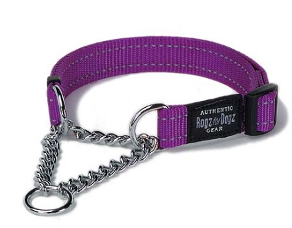
Please note that Swisspeaks does not endorse the use of harnesses, as they can cause shoulder restrictions and muscle and joint injuries, encourage pulling behaviour, reduce control, and hinder training progress.
Health
Bloat
A valuable resource and reference chart is titled: "8 People In Your Dog's Life That Should Have a Bloat Chart" – By Brown Newfies. Click the link below to view and download the chart.
Please consider printing this chart and keeping it readily accessible, as timely intervention is crucial if your dog shows signs of bloat.
A good tip to reduce the risk of bloat is to wait approximately one hour before or after exercise before eating a meal.
Obstructions and Foreign Bodies
Bernese are renowned for eating things they shouldn’t, and some objects can become lodged in the gastrointestinal tract, causing an initial blockage that prevents the passage of food and results in gastrointestinal obstruction.
Risks and Complications of Gastrointestinal Obstruction
- Intestinal Perforation: Objects can tear the intestinal wall, causing leakage and infection (peritonitis).
- Linear Foreign Body Damage: String or cloth can cause "plication" (accordion-like folding) of the intestines, causing severe tearing.
- Complete Blockage: Total blockage requires immediate emergency surgery.
Common objects that may become lodged are
- Socks, underwear, and pantyhose.
- Balls, chew toys, and sticks.
- Bones and corn cobs.
- Rocks and gravel.
- String, yarn, or fishing line (known as linear foreign bodies)
- Ensure lid is always kept on tight on your compost bin
Preventing Growth Plate Injuries
Preventing growth-plate injuries in large and giant-breed dogs requires careful management of their activity, nutrition, and environment during the first 12 to 18 months of development, as their growth plates take longer to close (ossify) than in smaller breeds. Damage to these cartilage-based areas can lead to permanent joint instability, premature closure, or limb deformities.
Controlled Exercise and Play
- Avoid High-Impact Activity: Do not allow young large-breed dogs to jump from heights such as SUVs or furniture, as this can exert up to six times their body weight on their forelegs.
- No Long-Distance or Prolonged Running or Jogging: Avoid sustained endurance activities such as running or jogging on concrete until the dog has reached skeletal maturity.
- Limit Stairs: Restrict access to steep or slippery stairs to minimise stress on developing joints caused by frequent climbing.
- Soft Surface Play: Encourage running and playing on softer surfaces such as grass or dirt rather than on concrete or paved areas.
- "Five-Minute Rule": A good rule of thumb is 5 minutes of controlled, purposeful exercise (leash walking) per month of age, up to twice a day.
Nutritional Management
- Feed Large-Breed Puppy Food: Use food specifically formulated for large-breed puppies to support a slow, steady growth rate.
- Avoid Overfeeding: Keep your puppy at a healthy weight. Obesity places excessive pressure on developing joints and significantly increases the risk of hip dysplasia and other orthopaedic issues.
- Do Not Supplement Calcium: Do not add extra calcium, phosphorus, or vitamin D to a balanced commercial diet, as this can cause severe bone development issues
Environmental and Safety Measures
- Use Ramps/Steps: Use ramps or help your puppy in and out of vehicles to avoid high-impact jumps.
- Use Non-Slip Surfaces: Place rugs or mats on slippery floors (hardwood or tile) to prevent awkward slips that can strain joints.
- Monitor Play with Other Dogs: Monitor interactions during playtime with other dogs to prevent falls or injuries.
Desexing
Breeding guidelines and literature recommend desexing large dogs after 12 months of age, preferably at around 2 years for males.
Desexing male dogs can reduce urine marking and roaming behaviour, and is associated with a decreased risk of medical conditions such as prostate enlargement and testicular tumours.
In female dogs, desexing prevents heat cycles, unwanted pregnancies, and pyometra (uterine infection).
Signs of pyometra to watch for in unspayed female dogs often appear 4–8 weeks after a heat cycle:
- Increased Thirst & Urination (PU/PD): Drinking and urinating significantly more than usual.
- Lethargy & Depression: Unusual tiredness, weakness, or lack of enthusiasm.
- Appetite Changes: Reduced eating or refusal to eat.
- Vomiting & Diarrhoea: Digestive upset is common.
- Abdominal Swelling: A bloated or “pot-bellied” appearance, often tender when touched.
- Vaginal Discharge: Pus (white, yellow, or green) or blood, sometimes with a foul odour (more common in “open pyometra”).
- Panting: Excessive or unexplained panting.
- Fever & Pale Gums: Indications of a systemic infection.
Potential concerns associated with desexing include weight gain and obesity, as well as a thicker coat. These issues can be effectively managed and should not prevent you from desexing your Bernese.
Grooming
Bernese Mountain Dogs have a double coat that requires regular, thorough brushing with a slicker brush and an undercoat rake to remove loose, dense undercoat and help prevent matting.
A double coat consists of a soft, fluffy, moderate undercoat that provides warmth in winter and naturally sheds in warmer weather, helping keep the dog cool in summer. The top coat comprises coarser guard hairs that do not shed, offering protection from harmful sun rays and maintaining the dog's coat colour.
There are many grooming tools on the market. As a minimum, I recommend the Animal House Professional Series Magic Rotating Spring Undercoat Rake, Large. It is particularly effective for working through compacted undercoat during grooming sessions.
I also like to use the Miracle Coat large slicker brush and a finishing comb.
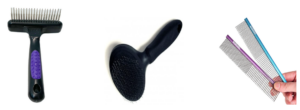
It’s advisable to groom your dog before bathing, as loose hair can tangle into knots during the process. Once your dog is fully dry, it’s important to groom again. Establishing a consistent grooming routine early helps ensure it remains a positive experience and makes the process easier as your dog matures. Initially, you may need to be patient and divide grooming into shorter sessions, as puppies often wiggle and may be more interested in eating the brush than being groomed.
Shedding of a dog's undercoat is a natural process. Shaving should be done only for medical reasons. It does not prevent shedding and can damage the dog’s topcoat, increasing the risk of skin problems or sunburn. Additionally, shaving can damage the undercoat, which provides insulation in winter, helps keep the skin dry, and allows proper airflow to keep the skin cool and dry in warmer weather.
Regular grooming helps minimise shedding around the home and assists in regulating your dog’s temperature.
Nails
Nails are typically kept short for walking. If they become slightly long, you may use dog nail clippers or a grinder to trim them. Please consult a veterinarian or professional groomer to demonstrate the correct technique the first time.
Ears
When bathing your Berner, please remember to gently clean their ears with warm water and cotton wool. Ensure the cotton wool is only slightly damp to avoid introducing excess water into your dog’s ears.
Trimming Feet Pads
Trimming excess fur between a dog's paw pads—often called “Grinch feet”—improves traction, hygiene, and overall comfort.
Touch of Sparkle Dog Grooming
Nikki from Swisspeaks Bernese offers grooming services exclusively for Bernese Mountain Dogs through Touch Sparkle Grooming during her personal time. She has regular weekend appointments. As her client base is limited, early bookings are encouraged to ensure timely grooming. Nikki also offers a special discounted rate for Swisspeaks family members.